October 8, 2026
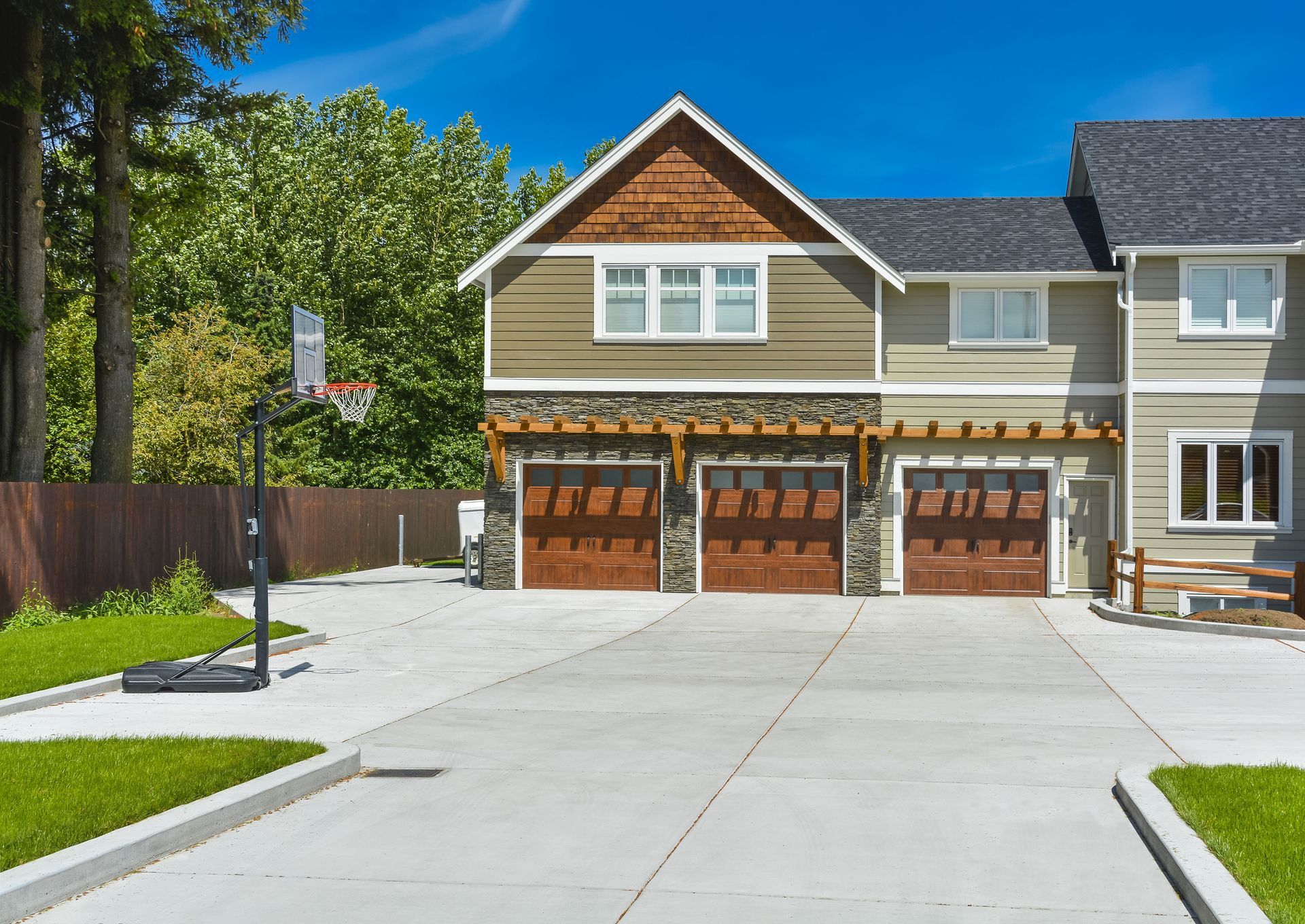
A driveway is more than a place to park vehicles. Because it occupies a prominent portion of many properties, it can influence curb appeal, everyday convenience, maintenance expectations, and how the exterior of a home feels as a whole. When homeowners are considering a new or replacement driveway, concrete is often one of the materials worth evaluating.
A concrete driveway can offer an appealing combination of durability, design flexibility, and long-term usefulness, but every property and household has different priorities. According to This Old House, concrete driveways can cost more initially than asphalt alternatives, but with proper care, they can last 30 years or longer, considerably exceeding the typical lifespan of an asphalt driveway. Looking at several important characteristics of concrete can help you decide whether it's an appropriate choice for your home.
Considering the Long-Term Durability
Evaluating Everyday Vehicle Traffic
Driveways routinely support cars, trucks, and other vehicles while remaining exposed to changing outdoor conditions. Concrete is valued for its ability to create a solid surface suited to regular residential use. Professional installation can help homeowners get the performance they expect from this substantial exterior improvement.
Evaluating Seasonal Conditions
Outdoor surfaces experience changing temperatures, precipitation, sunlight, and other environmental conditions throughout the year. These factors should be considered when selecting any driveway material. A professionally installed concrete driveway can provide a durable surface designed with the property's particular conditions in mind.
Evaluating Years of Use
A driveway isn't generally an improvement that homeowners want to replace frequently. Concrete's potential longevity can make it attractive to people who are thinking beyond immediate installation and considering how the surface will serve the property over many years.
Evaluating the Overall Investment
Initial cost is important, but it isn't the only consideration when comparing materials. Expected service life, maintenance, appearance, and daily performance can all influence long-term value. Looking at the complete ownership experience can provide a more useful comparison than focusing exclusively on the upfront price.
Considering the Maintenance Expectations
Reviewing Routine Care
Every exterior surface requires some attention over time. Driveways encounter dirt, weather, vehicles, and normal wear, so homeowners should understand that long-term appearance and performance depend partly on appropriate care. Concrete can be an appealing choice for those seeking manageable maintenance expectations.
Reviewing Surface Condition
Changes in a driveway's appearance can develop gradually as years pass. Paying attention to the overall condition of the surface can help homeowners recognize when professional evaluation is appropriate. Addressing concerns responsibly can support the usefulness of the driveway over its service life.
Reviewing Professional Maintenance
Some maintenance concerns are best evaluated by experienced professionals who understand concrete surfaces. Homeowners don't need to determine the cause or significance of every visible change themselves. Professional guidance can clarify whether a condition is primarily cosmetic or deserves additional attention.
Reviewing Long-Term Expectations
A concrete driveway should be viewed as a long-term exterior feature rather than a maintenance-free surface. Understanding that distinction helps homeowners develop realistic expectations and appreciate why proper care is part of protecting a significant property improvement.
Considering the Design Possibilities
Exploring Different Finishes
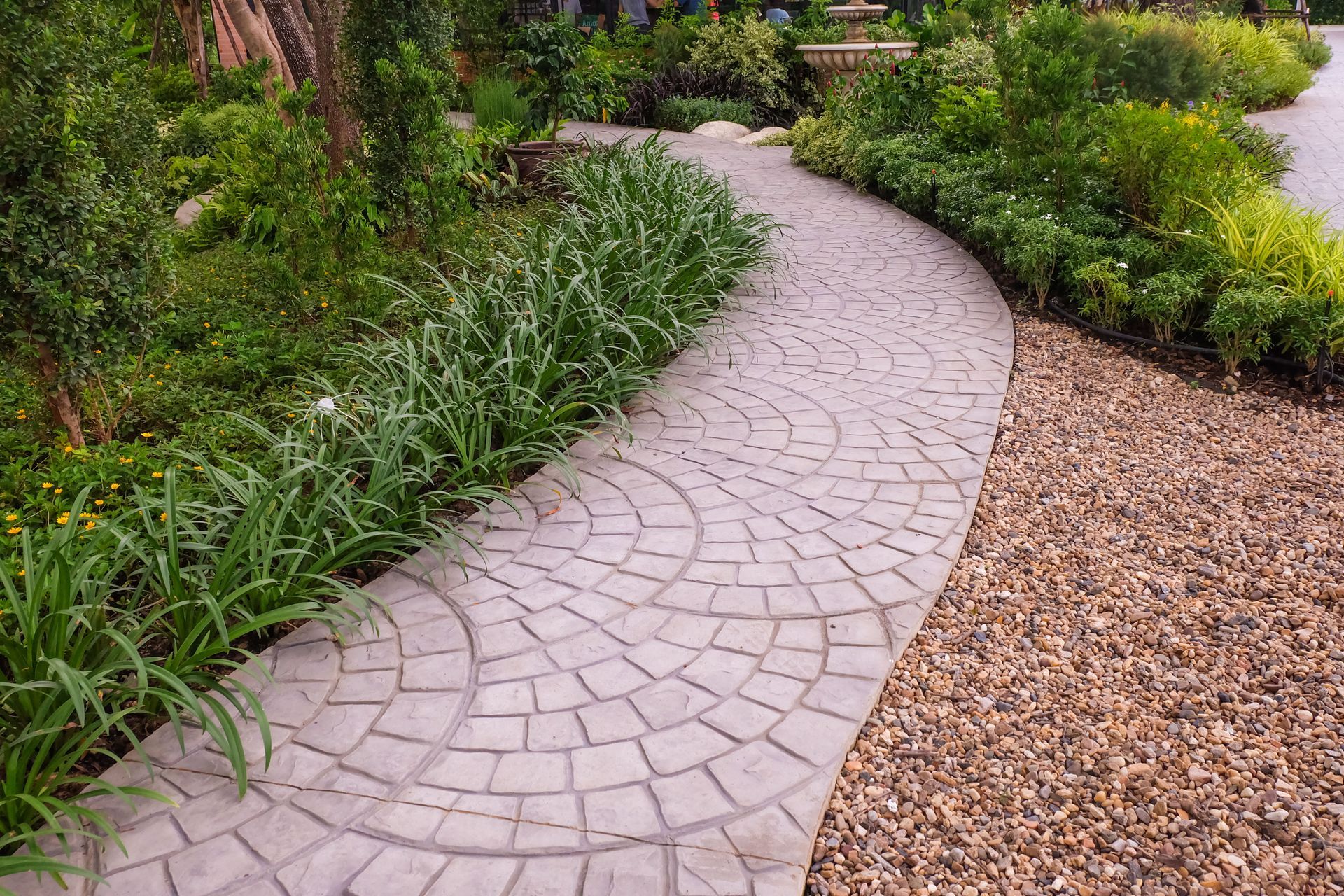
Concrete doesn't have to mean a visually plain driveway. Different finishing options can influence texture and overall appearance, allowing homeowners to select a surface that complements the style of their property while still providing the practical advantages associated with concrete.
Exploring Decorative Options
Depending on the project, decorative choices can make the driveway a more intentional part of the home's exterior design. Color, patterns, borders, and other visual elements can provide opportunities to create a distinctive appearance without sacrificing the driveway's practical purpose.
Exploring Architectural Compatibility
A driveway occupies enough visual space that it should relate naturally to the house, landscaping, walkways, and other hardscape features. A professionally designed concrete driveway can complement different architectural styles, from traditional residences to more contemporary homes.
Exploring Curb Appeal
The driveway is often among the first exterior features visitors see when approaching a property. A clean, well-designed surface can contribute to a polished first impression and help surrounding exterior features feel more cohesive.
Considering the Everyday Functionality
Assessing Parking Needs
Households have different parking requirements depending on the number and types of vehicles they own. Driveway dimensions and layout can influence how comfortably those vehicles fit and how easily drivers can enter, park, and leave the property.
Assessing Property Access
A driveway also connects the street with important areas of the property. Its relationship to garages, walkways, entrances, and other exterior spaces affects everyday movement. Thoughtful planning can help the finished surface work naturally with the home's existing layout.
Assessing Surface Consistency
A professionally installed concrete driveway provides a defined, solid surface for vehicles and pedestrian movement. This can contribute to a clean and organized exterior while establishing a clear area for routine parking and property access.
Assessing Household Priorities
Some homeowners place the greatest emphasis on durability, while others prioritize appearance, maintenance expectations, or long-term value. Concrete can address several of these priorities simultaneously, which is one reason it remains a common option for residential properties.
Considering the Property Characteristics
Examining the Available Space
Driveways aren't one-size-fits-all features. Property dimensions, garage placement, existing landscaping, and access from the road can all influence the appropriate design. Professional evaluation allows these characteristics to become part of the planning process.
Examining Drainage Considerations
Water movement is an important consideration for exterior surfaces. The surrounding grade and drainage characteristics of a property can influence driveway planning. Professionals can evaluate these conditions as part of developing an installation appropriate for the site.
Examining Existing Features
Walkways, patios, landscaping, garages, and other exterior elements can affect how a new concrete driveway fits into the property. Considering these features together can help create a result that feels connected to the rest of the home's exterior rather than visually isolated.
Examining Project Requirements
Every installation presents its own conditions and requirements. Professional planning accounts for the property itself rather than assuming the same approach works everywhere. That individualized attention can be important when homeowners are making an improvement intended to remain in place for decades.
Considering the Overall Home Investment
Balancing Cost and Longevity
Concrete can require a greater initial investment than certain alternatives, so homeowners should consider what they expect from the surface over time. Its potential longevity can make the initial cost easier to evaluate within the context of years of expected use.
Balancing Appearance and Performance
Exterior improvements often involve choosing between visual and practical priorities, but a concrete driveway can offer both. Homeowners can select an attractive design while gaining a durable surface intended to handle regular residential traffic.
Balancing Present and Future Needs
A driveway should suit how the household functions today while remaining practical in the future. Vehicle needs, exterior design preferences, maintenance expectations, and long-term plans for the property can all help determine whether concrete is an appropriate investment.
Balancing Priorities and Preferences
No driveway material is automatically the right choice for every homeowner. The best decision depends on budget, property conditions, desired appearance, expected longevity, and maintenance preferences. Professional guidance can help bring those considerations together before the project begins.
Choosing a driveway material involves balancing immediate priorities with expectations for the years ahead. Concrete offers notable longevity, manageable care, versatile design possibilities, dependable everyday functionality, and an opportunity to complement the surrounding property. For homeowners who value these characteristics and are comfortable with the initial investment, a concrete driveway can be a practical and attractive long-term addition.
If you're considering whether concrete is the right option for your property, contact Shelton Concrete Design today. Our professionals can discuss your goals and help you plan a driveway that complements your home while providing the appearance, functionality, and long-term performance you expect.